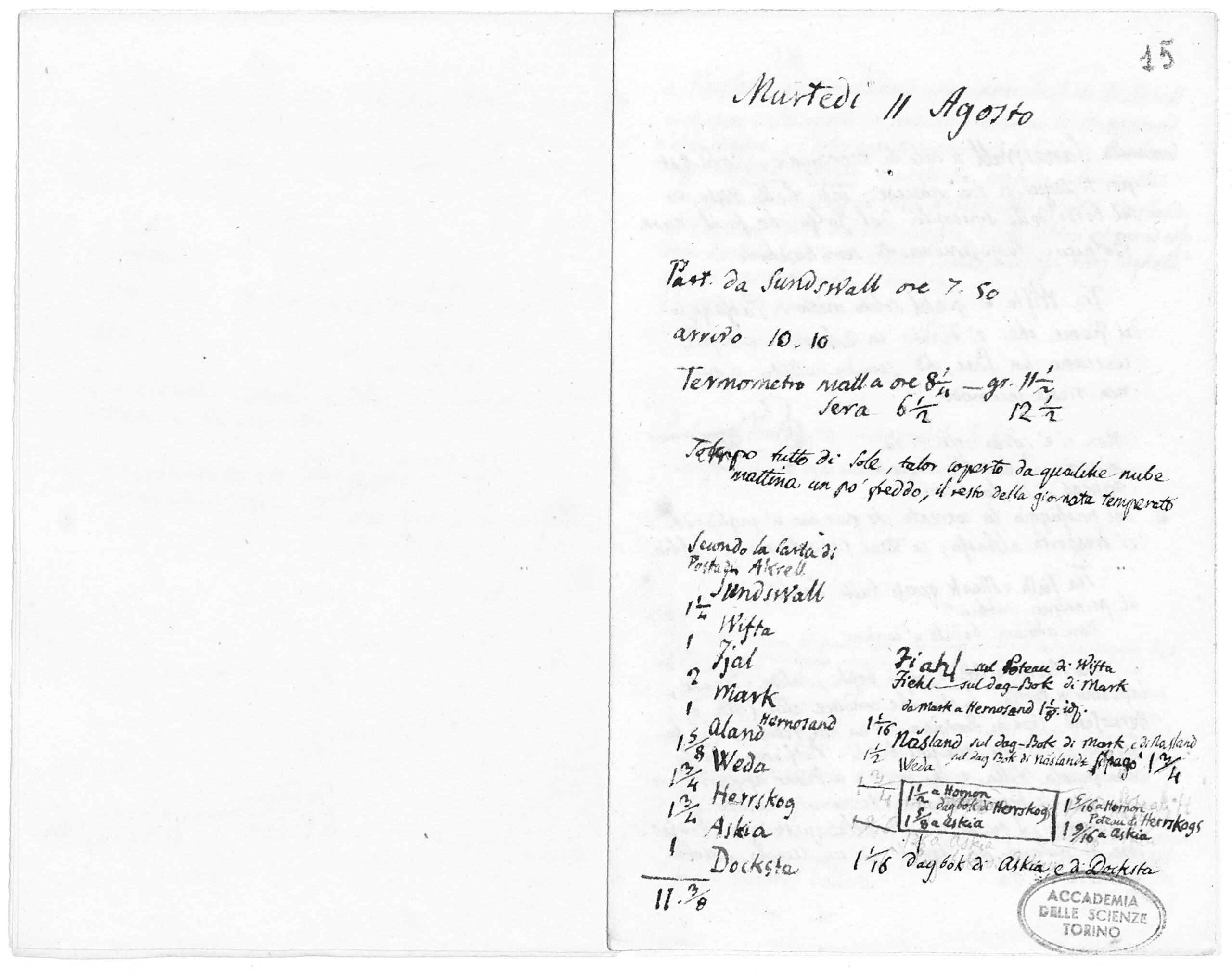
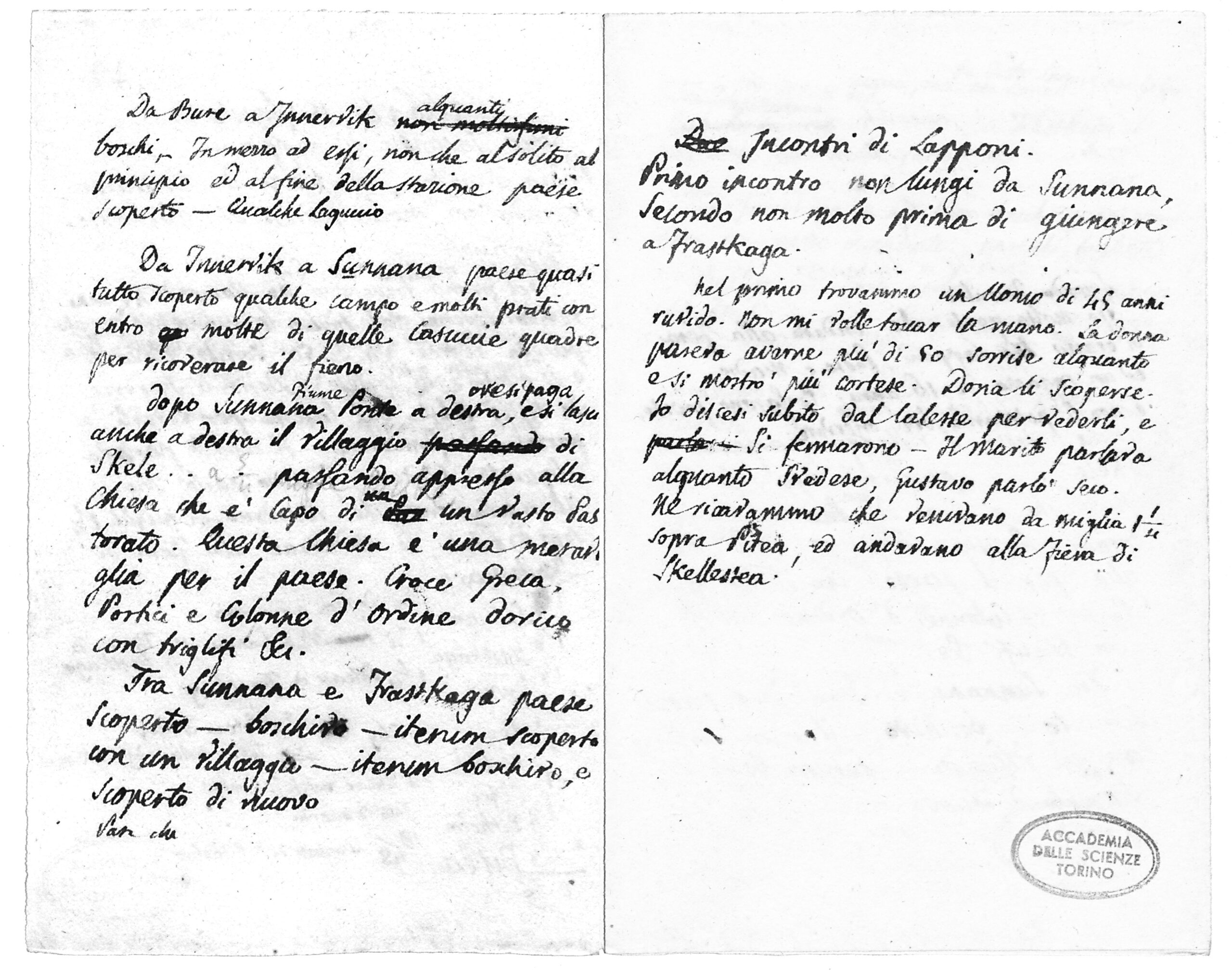
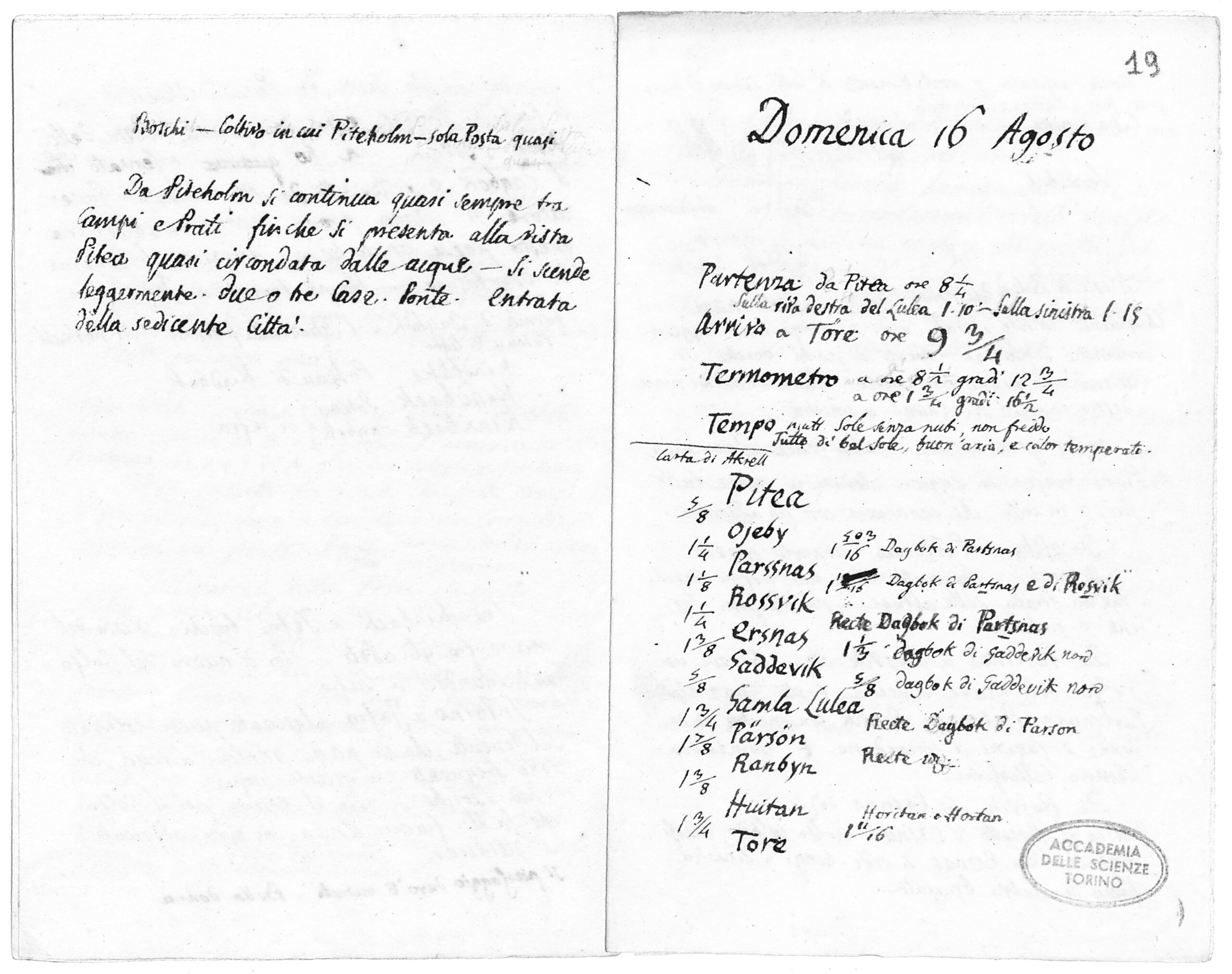
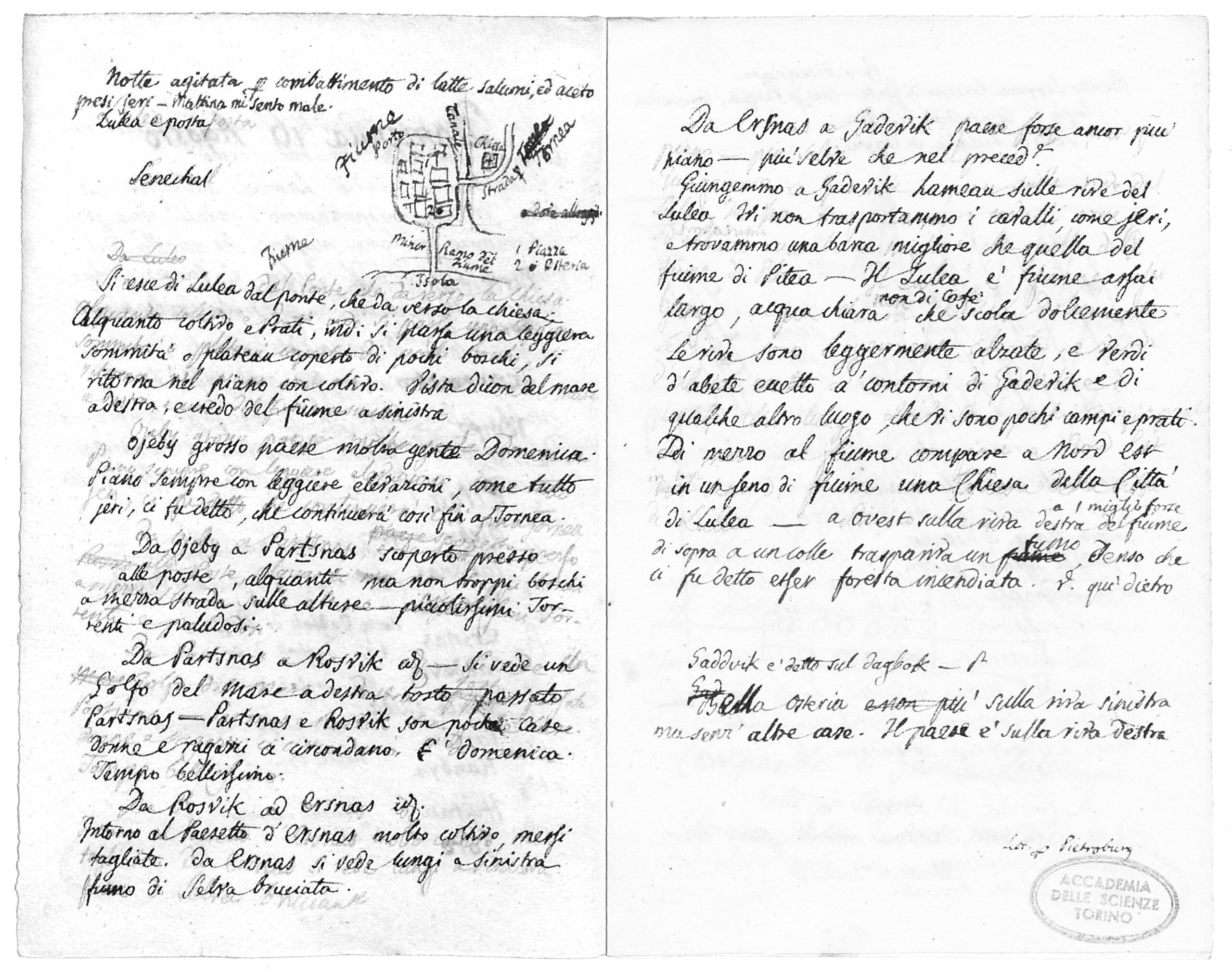
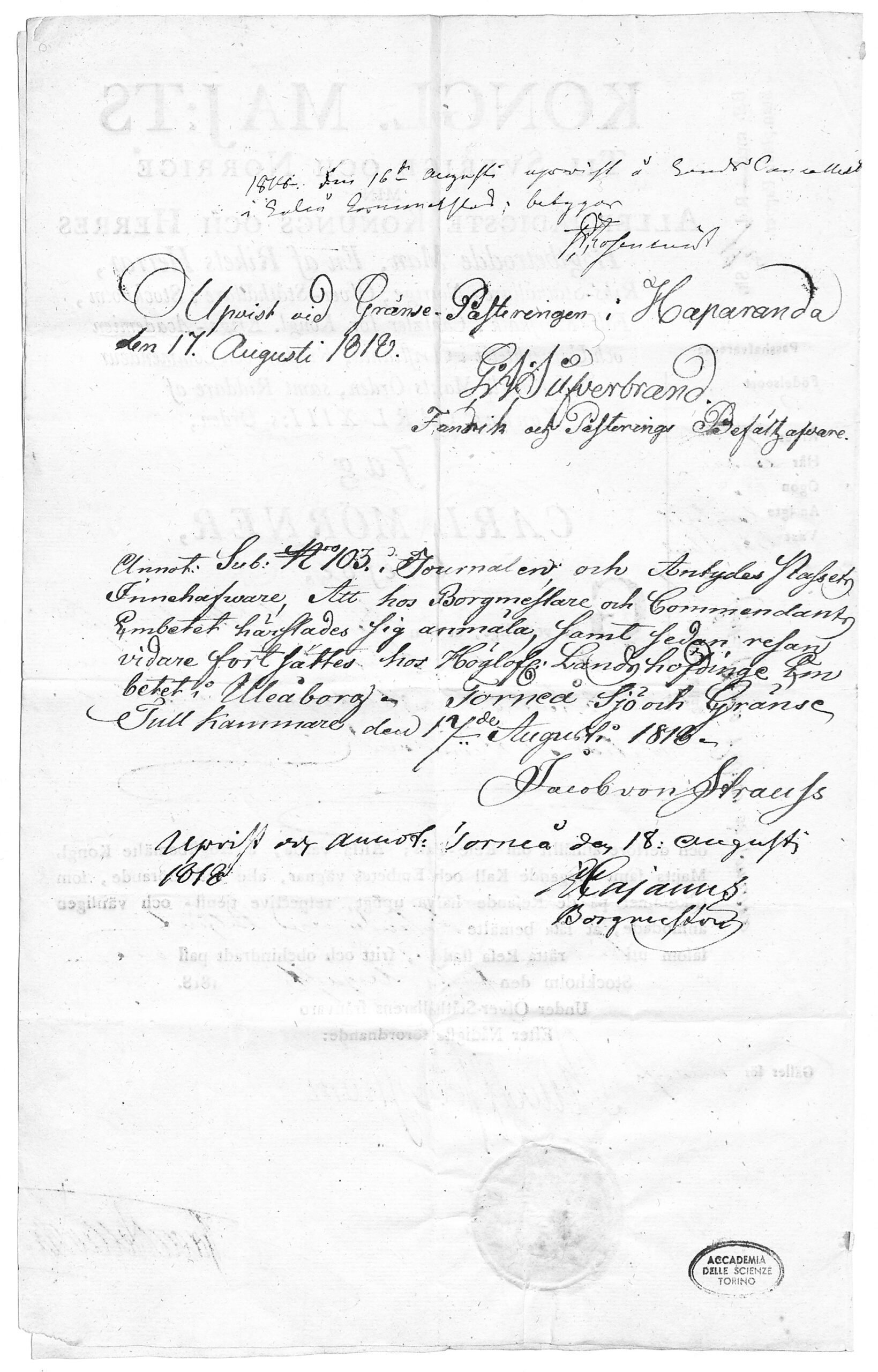
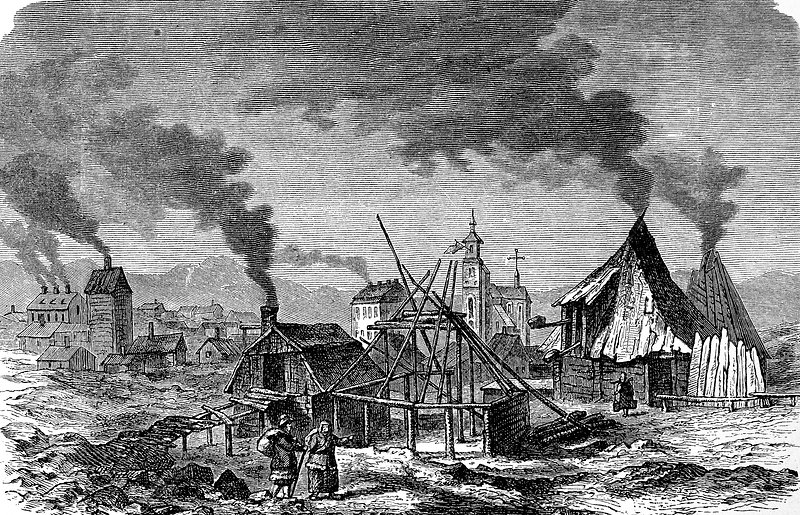
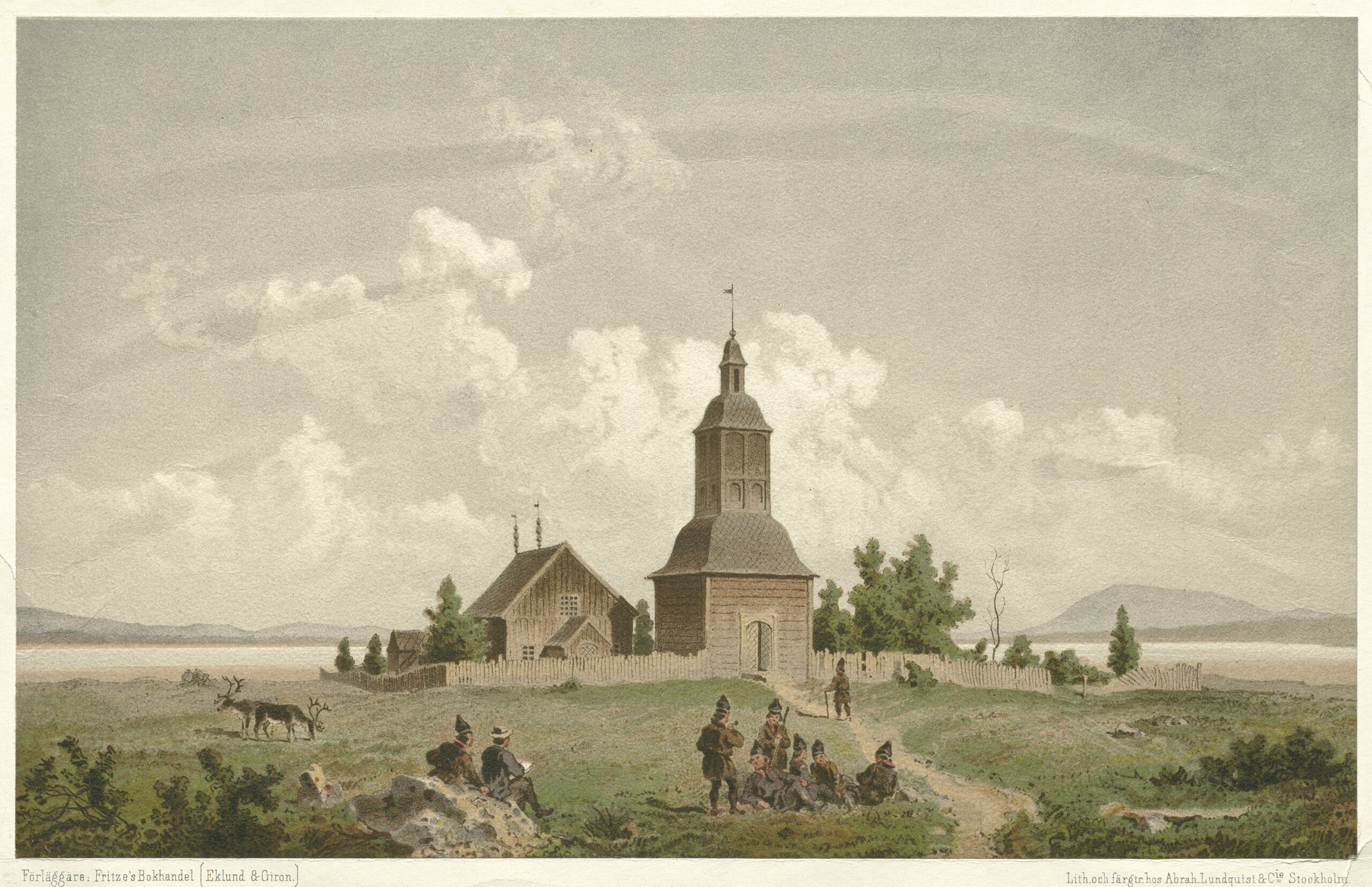
The ‘Lapland journey’, which went on for 28 days, was a sign of Vidua’s and his friend’s willingness to visit an unexplored land which led them to the discovery of the last European nomadic population. For the first time he found himself travelling without the belongings and comforts which men of his social class where accustomed to. There aren’t any roads, there aren’t any trees and there aren’t any inns. For the journey he buys rice, crackers and additional foodstuffs, but also dishes, a waxed canvas, a telescope and a compass. He then hires a butler, an interpreter and some boatmen. The tour of Lapland enables him to be familiarise himself with this nomadic population, drinking reindeer’s milk and buying a few utensils.
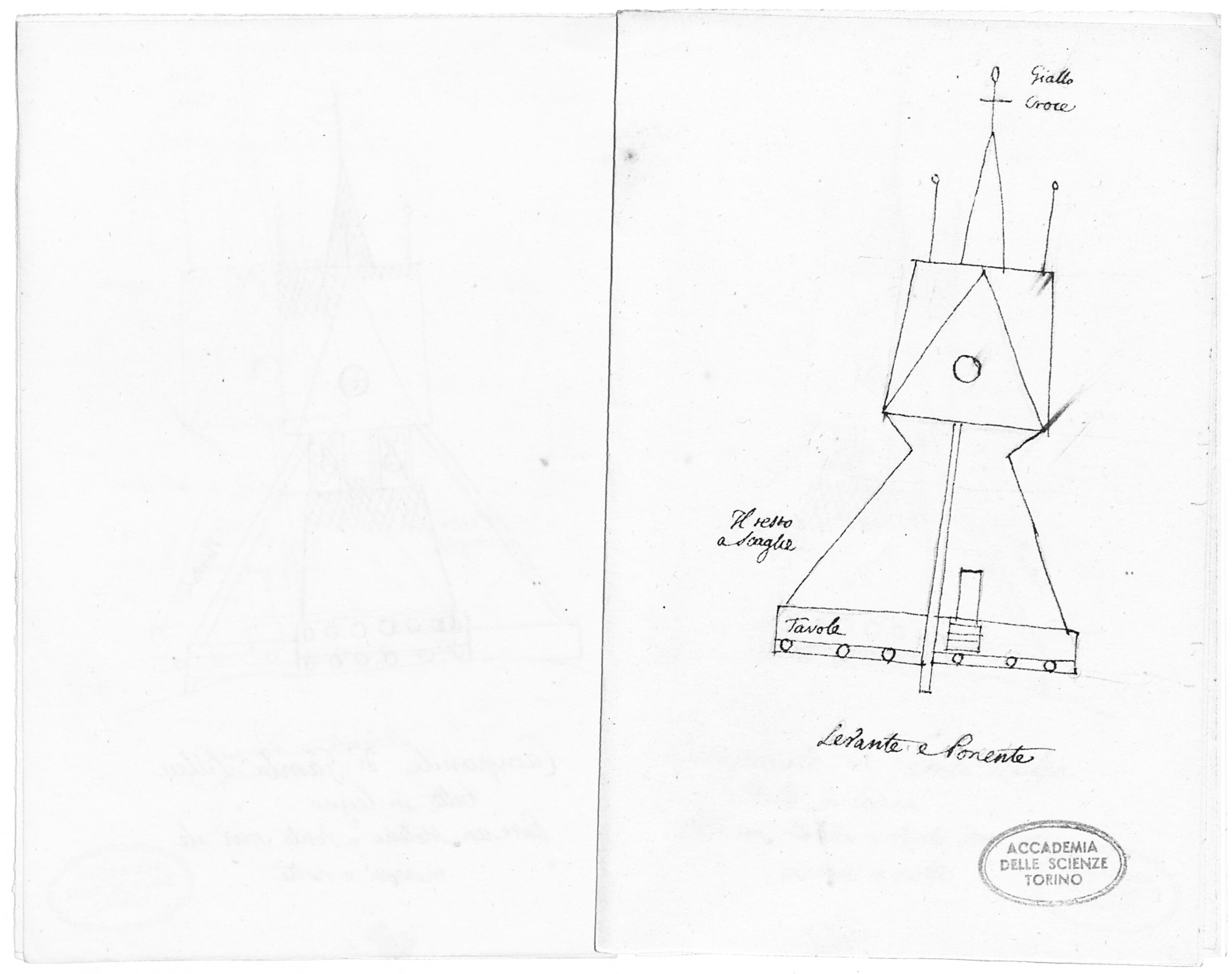
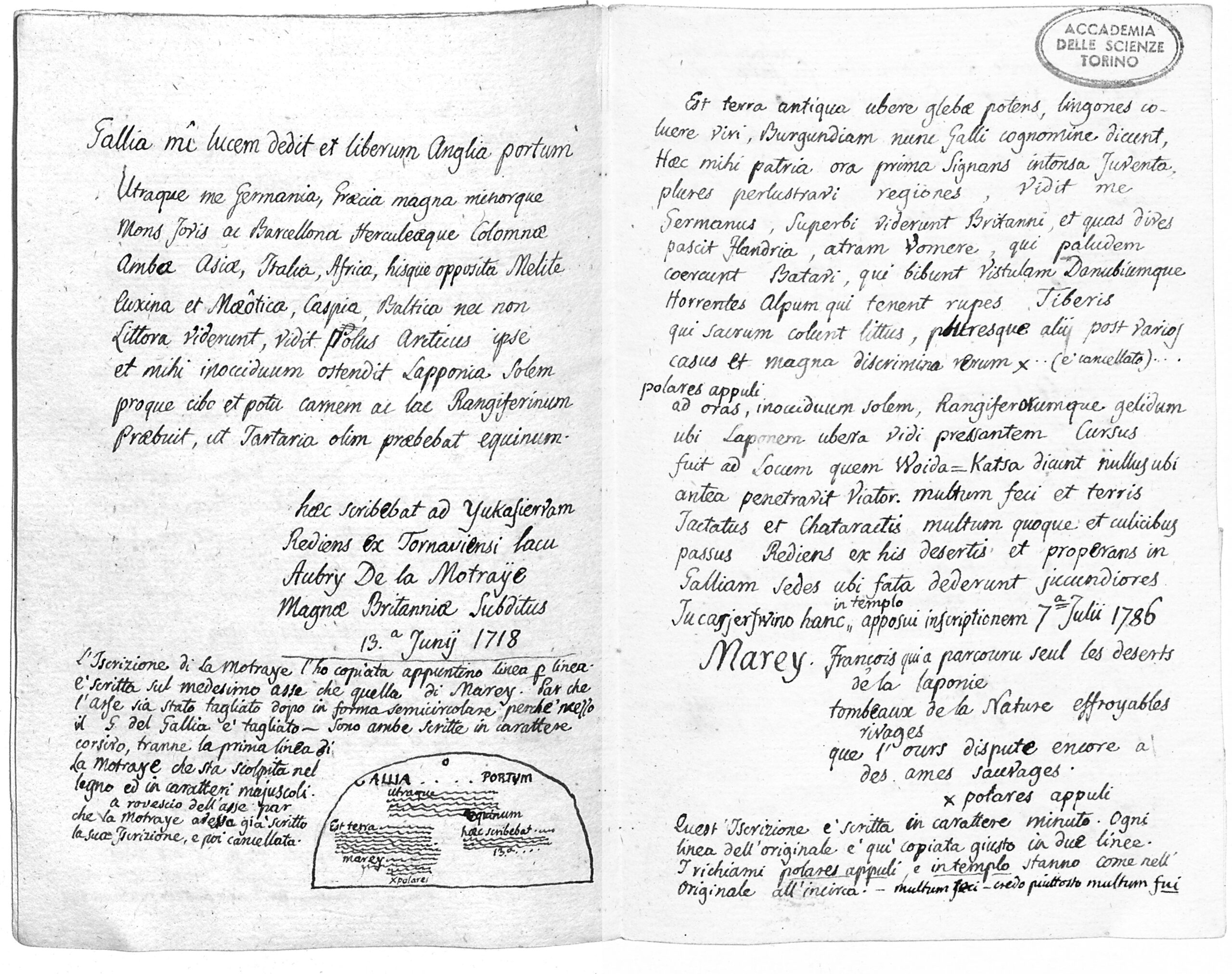
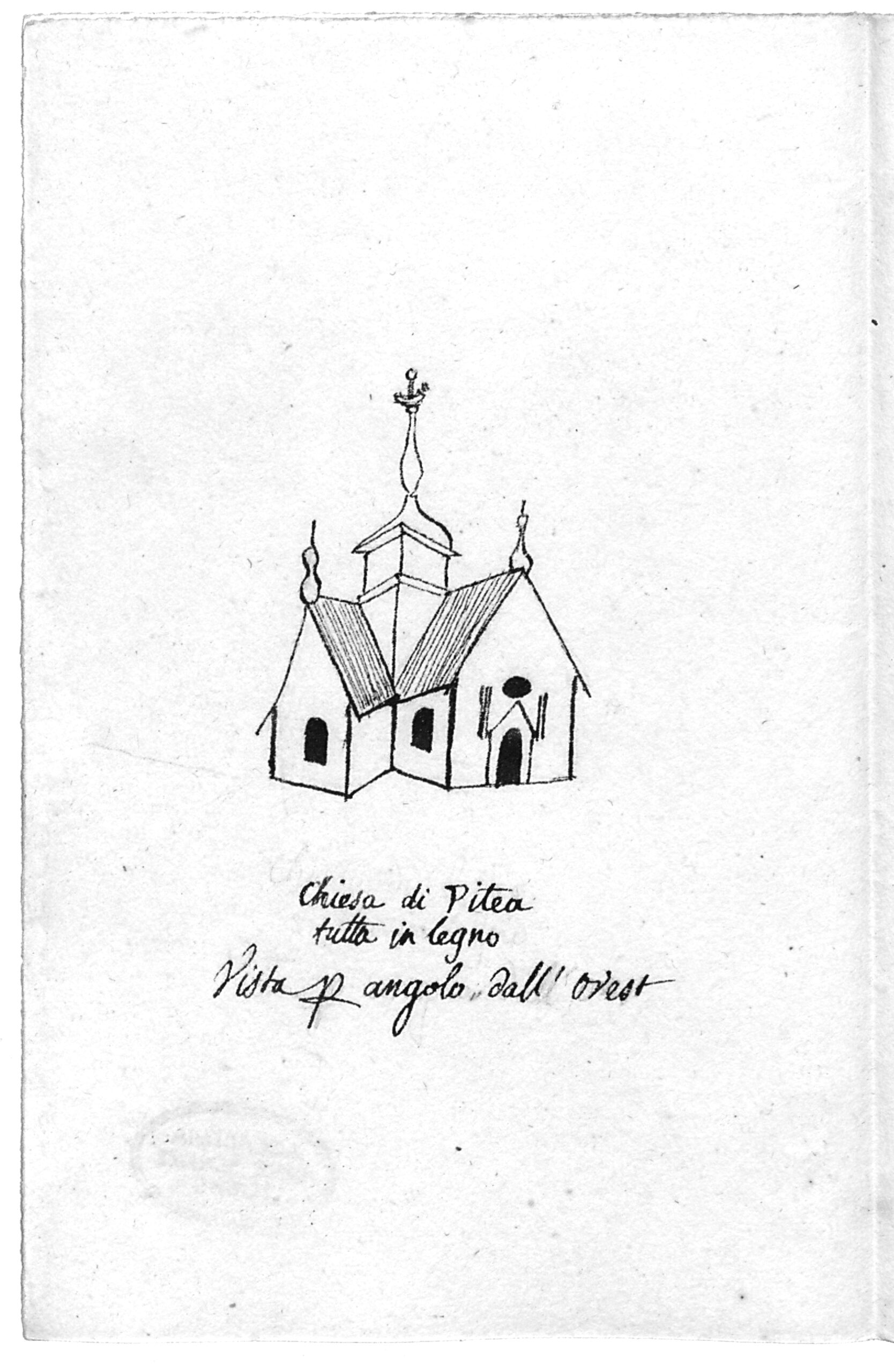
“Scrivo dal fondo della Lapponia. Questo viaggio che nessun Piemontese ha ancora fatto prima di noi, in una regione sì lontana, dove non ci sono strade per andare in carrozza né a cavallo, né anche a piedi, è uno de’ più curiosi che si possano intraprendere. Talora non trovavamo nemmeno una cascina dove dormire. Nella chiesa abbiam trovato le iscrizioni di alcuni viaggiatori francesi ed inglesi che erano stati qui. D’Italiani ve n’era un solo nome, ed ora saranno tre [Carlo Vidua viaggia con l’amico, il marchese Alessandro Doria di Ciriè]. Ho preso molte informazioni de’ costumi de’ Lapponi, che ora sono il solo popolo selvaggio che resti in Europa.”












 English (UK)
  Italiano